LightStim vs Casablui: Red Light Therapy Compared
Table of Contents
- Red Light Therapy at a Glance: LightStim vs Casablui
- The Benefits of Red Light Therapy Beds
- LED Wavelengths, Irradiance, and What They Mean for Results
- Treatment Time, Convenience, and Full-Body vs Targeted Use
- How to Choose a Red Light Therapy Device for Your Home
- Cold Plunge Tub Benefits: Pairing Light Therapy With Cold Exposure
- Conclusion
- Frequently Asked Questions
Last Updated: September 28, 2026
Red Light Therapy at a Glance: LightStim vs Casablui
Red light therapy uses specific wavelengths of red and near-infrared light to support skin health, tissue repair, and recovery. If you're weighing LightStim vs Casablui, neither brand is built around full-body treatment: LightStim is known for handheld, targeted devices, while Casablui sits in the broader consumer beauty space. At Cedar Forge Wellness, we offer full-body red light therapy beds designed for whole-body coverage at home.

The real decision isn't the logo on the box, it's coverage, wavelengths, and consistent dosing.
The Benefits of Red Light Therapy Beds
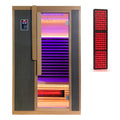
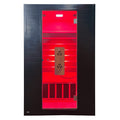
Full-body red light therapy beds treat more of the body in one session without repositioning a handheld device for 40 minutes.

Skin Rejuvenation and Collagen Production
Red and near-infrared light are studied for their effect on skin appearance and collagen production. A full-body bed exposes the face, neck, chest, arms, and legs at once.
Pain Management and Inflammation Reduction
Near-infrared wavelengths penetrate deeper than visible red light, which is why they're discussed for inflammation reduction and muscle recovery. A bed treats the back, shoulders, and legs simultaneously, for chronic stiffness, that's the difference between a routine you keep and one you abandon.
LED Wavelengths, Irradiance, and What They Mean for Results
Wavelength determines what the light can do; irradiance determines how fast it delivers. The two most common therapeutic windows are 630-660 nm for red light and 810-850 nm for near-infrared.
Why the wavelength window matters. Red and near-infrared light in these ranges is absorbed by cytochrome c oxidase in the mitochondria, the mechanism most cited in the photobiomodulation literature. The 630-660 nm band penetrates roughly 1 to 3 mm (epidermis and upper dermis); the 810-850 nm band penetrates 1 to 4 cm depending on tissue type and pigmentation, which is why it's discussed for muscle, joint, and deeper connective tissue. A device offering only one band does half the job.
Irradiance is the number most buyers never see. Measured in milliwatts per square centimeter (mW/cm²), higher irradiance means shorter sessions for the same dose. The critical detail competitors skip: irradiance drops sharply with distance from the panel. A device rated at 100 mW/cm² at the surface may deliver a fraction of that at the 6 to 12 inches where your body sits. Always ask for irradiance at treatment distance, not at the panel.
Dose is irradiance multiplied by time. Therapeutic dose is expressed in joules per square centimeter (J/cm²), calculated as irradiance (mW/cm²) times time (seconds) divided by 1,000.
| Spec | What It Controls | Why It Matters |
|---|---|---|
| Wavelength (nm) | Depth and target tissue | 630-660 nm for surface skin, 810-850 nm for deeper tissue |
| Irradiance (mW/cm²) | Speed of dose delivery | Higher output means shorter sessions; must be quoted at treatment distance |
| Dose (J/cm²) | Total energy delivered | Irradiance × time; the number that actually drives results |
| Pulse width | Light delivery pattern | Continuous vs pulsed affects session feel and thermal load |
| Coverage area | How much body is treated | Full-body beds beat pads for whole-body sessions |
| Session timer | Treatment duration control | Consistent dosing without guesswork |
Treatment Time, Convenience, and Full-Body vs Targeted Use
Treatment duration for a full-body bed typically runs 10 to 20 minutes, versus 20 to 40 minutes of repositioning a handheld device to cover the same area. Portable devices win on travel and storage; stationary beds win on consistency and hands-free use. If you want to lie down, press start, and be done, a bed is the only format that delivers that.
OvationLITE Red Light Therapy Bed →
How to Choose a Red Light Therapy Device for Your Home
Choosing a device comes down to four questions: how much of your body you need to treat, how often you'll realistically use it, how much space you have, and what it costs to own over time. Answer those honestly before you look at any spec sheet.
Build Quality, Warranty Coverage, and Long-Term Costs
Build materials and warranty coverage separate a device you keep from one you replace. Look at the frame, LED panels, and cooling system first, then read the warranty line by line.
- Annual electrical inspection, a qualified electrician checking the power supply, cord, and grounding. Most home users skip this until something fails.
- LED output verification, a handheld radiometer check every 12 to 18 months to confirm the panels still deliver rated irradiance. Output decline is gradual and invisible without measurement.
- Surface sanitation supplies, medical-grade wipes or a compatible disinfectant. Abrasive or alcohol-heavy cleaners can cloud acrylic panels and degrade LED lenses.
- Replacement parts, controllers, power supplies, and remote units are the first to go. Ask the manufacturer what a replacement controller costs before you buy, not after.
- Power consumption, a full-body bed drawing a few hundred watts for a 15-minute daily session adds a modest but real line to your electric bill over a year. Check the rated wattage and do the math against your local utility rate.
Safety, Contraindications, and Scientific Validation
Safety and contraindications matter more than any spec. Skip sessions over tattoos, moles, or suspicious skin lesions, and check with a physician first if you're pregnant, taking photosensitizing medication, or managing a condition affected by light exposure. Never look directly into the LEDs.
Cold Plunge Tub Benefits: Pairing Light Therapy With Cold Exposure
Cold plunge tub benefits center on recovery: cold water exposure is widely used to reduce muscle soreness and support circulation after training. Paired with red light therapy, it forms a simple contrast routine, light first for tissue support, then cold for recovery. Many home wellness setups now combine both in one space; start with the equipment you'll actually use daily, then add the second piece.
Conclusion
Building a home recovery routine means choosing equipment that fits your space, budget, and habits, not just the loudest brand name. Whether you're comparing LightStim vs Casablui or looking at full-body systems, the deciding factors are coverage, wavelength, irradiance, and warranty.
Frequently Asked Questions
What is the primary difference between LightStim and Casablui?
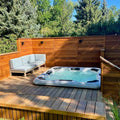
LightStim makes targeted handheld and small-panel red light therapy devices, while Casablui is known for larger wellness equipment such as hot tubs and spa-style installations. That means they serve different needs: LightStim suits spot treatment on the face or a single joint, while a full-body red light therapy bed covers the entire body in one 10-20 minute session. Buyers who want whole-body recovery, skin rejuvenation, and inflammation reduction at home should compare full-body systems rather than handheld devices.
Is LightStim designed for full-body recovery or targeted treatment?
LightStim is built around targeted treatment. Its devices are handheld or small-format panels designed to sit against the skin for a specific area, such as the face, neck, or a sore knee. For whole-body benefits of red light therapy beds, you would need a full-length system with 360-degree coverage. If your goal is daily full-body recovery after training or a broader anti-aging routine, a bed or capsule format will cover far more surface area per session.
How do home red light therapy systems compare to professional spa equipment?
Modern home systems use the same core wavelengths, typically 630-660 nm red and 810-850 nm near-infrared, and reach irradiance levels of 90-120 mW/cm² at the surface. That puts them in the same range as many professional spa units. The main differences are session throughput and room requirements: spa equipment runs all day for multiple clients, while a home bed runs one session at a time. For personal use, a home system removes travel time and per-session fees.
What should you look for when investing in home recovery technology?
Focus on five things: verified wavelengths (red and near-infrared), stated irradiance, LED count and coverage area, build materials, and warranty length. A 5-year frame and LED warranty is a strong signal of device longevity. Also check power requirements, since high-output beds often need a dedicated circuit, and confirm treatment duration fits your routine. Treatment consistency matters more than any single spec, so pick a system you will actually use daily.
Do cold plunge tub benefits and red light therapy work well together?
Yes. Cold plunge tub benefits include reduced muscle soreness and lower inflammation after hard training, while red light therapy supports tissue repair and circulation. Many home wellness setups pair a cold plunge with a red light therapy bed: cold exposure first to calm acute inflammation, then a light session to support recovery and skin health. Both fit a 15-30 minute daily window, which makes the combination practical for busy schedules.