How to Build a Home Wellness Sanctuary: 2026 Guide
Table of Contents
- Start With a Plan: Zoning Your Home Wellness Sanctuary
- Home Recovery Room Ideas That Actually Work
- Best Home Wellness Equipment for Your Sanctuary
- Cold Plunge Tub Benefits: Why Recovery Starts Cold
- How to Incorporate Red Light Therapy Into Your Routine
- Sensory Design: Sound, Scent, and Touch
- Maintenance, Longevity, and Safety for Your Wellness Space
- Frequently Asked Questions
Last Updated: September 21, 2026
Start With a Plan: Zoning Your Home Wellness Sanctuary
Building a home wellness sanctuary starts with mapping your space and budget before you buy equipment. This guide from Cedar Forge Wellness covers zoning, equipment selection, and the practical details most guides skip.
Assessing Your Space and Budget
Measure first, then decide. Note the square footage, ceiling height, and nearest outlet for each candidate area.
- Heat zone: sauna or hot tub footprint plus clearance for the door swing
- Cold zone: plunge tub plus a drain path or hose route
- Light zone: flat floor space for a red light bed or panel
- Reset zone: a chair, a mat, and a shelf for towels and water
Psychological Zoning in Small Apartments
Small apartments can hold a full sanctuary if you zone by time of day instead of by room. The same corner serves as a light therapy station in the morning and a meditation seat at night.
Home Recovery Room Ideas That Actually Work
The best home recovery room ideas share one trait: each element has a single job. Contrast therapy, light exposure, and massage target different systems, so they don't compete for the same slot in your routine.
Contrast Therapy and Recovery Bay
Contrast therapy alternates heat and cold to drive circulation. A recovery bay pairs a sauna or hot tub with a cold plunge a few steps away, so the transition takes seconds.

Best Home Wellness Equipment for Your Sanctuary
The best home wellness equipment matches your floor space, electrical capacity, and how often you'll realistically use it. Four categories cover almost every setup: sauna, hot tub, cold plunge, and massage chair.
| Equipment | Typical Footprint | Power or Plumbing | Best For |
|---|---|---|---|
| Indoor cedar sauna | Compact cabinet size | Standard outlet, dedicated circuit | Daily heat therapy |
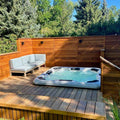
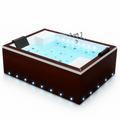
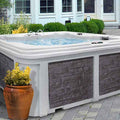
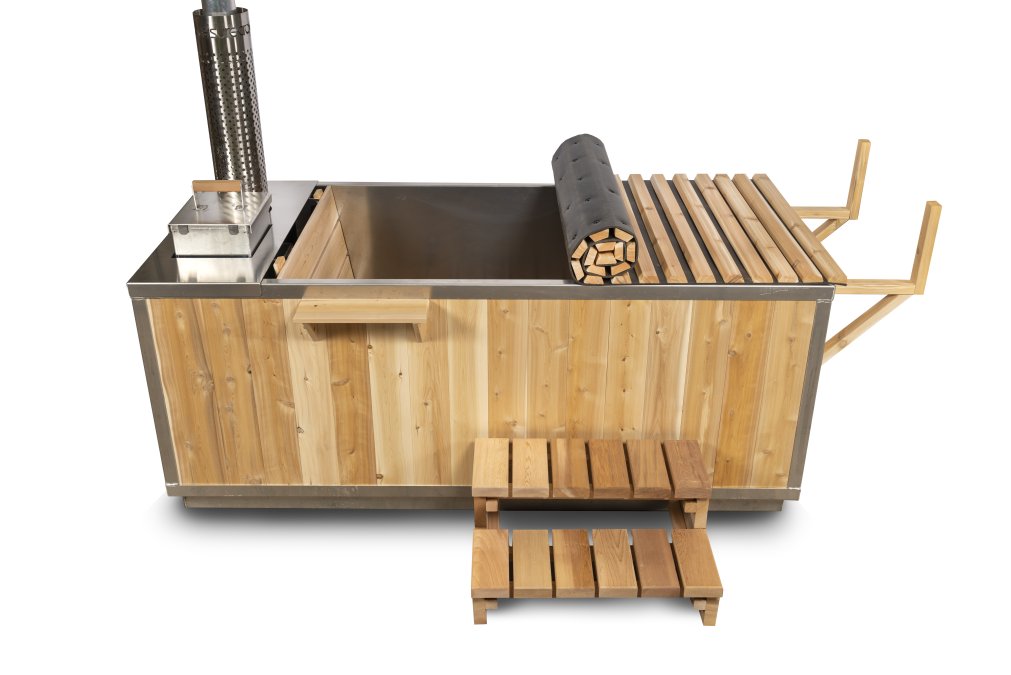
| Hot tub | Small patio or deck | Outdoor pad, hose fill | Evening soaking |
| Cold plunge and chiller | Corner of a garage or patio | Standard outlet | Post-workout recovery |
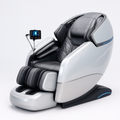
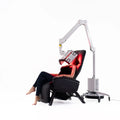
| Massage chair | One armchair footprint | Standard outlet | Passive daily relief |
Saunas, Hot Tubs, and Massage Chairs
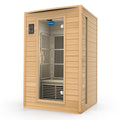
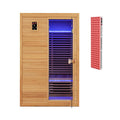
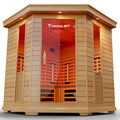
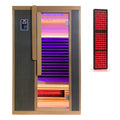
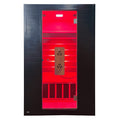
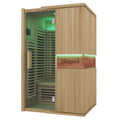
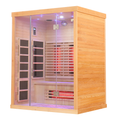
A cedar sauna anchors most home sanctuaries. The AuroraTherm Cedar Indoor Sauna uses solid Canadian red cedar and a tempered glass door, fits two to three people, and runs on a 6.5 kW electric heater with digital controls. It's compact enough for an indoor room and needs no plumbing. Explore the indoor sauna to check dimensions against your space.

Cold Plunge Tub Benefits: Why Recovery Starts Cold
Cold plunge tub benefits center on reduced inflammation and faster perceived recovery after hard training: cold constricts blood vessels, then rewarming flushes the tissue.
What the Science Says About Cold Exposure
Cold water immersion is well documented for easing delayed-onset muscle soreness after intense exercise, according to research on cold water immersion and muscle recovery. The effect comes from the temperature, not the duration, so shorter and colder beats long and lukewarm.
How to Incorporate Red Light Therapy Into Your Routine
To incorporate red light therapy, place sessions where they replace an existing habit rather than adding a new one. Morning light before your shower, or twenty minutes in the chair while you answer email, works better than a scheduled appointment with yourself.

Sensory Design: Sound, Scent, and Touch
Sensory design turns a room with equipment into a place your nervous system reads as safe. Sound, scent, and touch do more work than any single device, separating a sanctuary from a garage full of gear.
Sound: Build for Acoustic Comfort
Hard surfaces bounce noise, and sauna, chiller, or massage chair motors add to the problem. The fix is absorption, not silence: aim for one soft surface per wall plane, a low-pile rug, curtains, and an upholstered bench or chair. If you hear a hand clap echo, you have too much reflection.
Scent: One Oil, One Cue
Keep it simple and consistent. A single diffuser with one oil becomes a cue that the session has started; rotating scents dilutes the association. Citrus and peppermint read as energizing for morning light sessions; cedar, lavender, and sandalwood read as calming for evening heat or massage.
Indoor Cedar Sauna Designed for Premium →
Touch: Vary the Textures Underfoot
Tactile variety reinforces the zoning you built earlier. Cedar, cotton, stone, and cork feel different underfoot, telling your brain which zone you're in. A cedar duckboard at the sauna, a cotton mat at the plunge, and a cork or rubber mat at the massage chair is enough.
Light: Layer Three Sources
Overhead fixtures are the enemy of evening sessions. Use three layers: a dimmable overhead on low, a task light near the chair or bench, and an accent light (small lamp, strip behind the sauna, or salt lamp) for warmth. A dimmer on every layer lets you drop the room to near-dark without killing visibility.
Maintenance, Longevity, and Safety for Your Wellness Space
Most guides stop at installation. That's a mistake. Maintenance separates a sanctuary that lasts a decade from one unusable in three years, and every piece of equipment here has a service schedule. Skipping it is the most expensive mistake owners make.
The Service Schedule That Actually Matters
- Daily: wipe benches, glass, and upholstery after each session. Sweat and body oils are the leading cause of premature cedar and leather breakdown.
- Weekly: vacuum vents, rollers, and floor panels. Dust is the leading cause of massage chair motor failure and reduced sauna airflow.
- Monthly: inspect door seals, hinges, and gaskets. A failing sauna door seal can add 10-15 minutes to heat-up time before you notice anything is wrong.
- Annually: inspect heaters, wiring, hinges, and seals; calibrate LED output on red light devices. LED diodes dim gradually, so output loss is easy to miss without a meter.
- Water systems: test and treat chemistry weekly, replace filters on schedule. A chiller that runs with dirty water works harder, runs hotter, and fails sooner.
A simple pattern that works: keep a laminated card with the schedule taped inside the equipment cabinet. Owners who write it down stick to it; owners who rely on memory do not.
Electrical Load and Safety Before You Buy
Before you buy, check the electrical load. A 6.5 kW sauna heater needs a dedicated circuit, while most plunge chillers and massage chairs run on standard outlets. Confirm with a licensed electrician, a shared circuit that trips mid-session is the most common installation complaint in this category.
Smart Home Integration: Set-and-Forget Wellness
Smart home integration is the easiest upgrade to overlook, and it's what makes a sanctuary actually get used. A smart plug with scheduling preheats the sauna before you get home, so the session starts the moment you walk in rather than 40 minutes later. Leak sensors near a plunge tub or hot tub catch problems early, and a smart dimmer lets you trigger a "session" scene from your phone.
Longevity and Resale
If you travel often, factor resale into the decision. Saunas and massage chairs hold value well because they ship and install easily; built-in hot tubs are harder to move and sell. Buy pieces you can relocate.
Frequently Asked Questions
How to create a sanctuary in your home?
Start by choosing a dedicated corner or room and zoning it for calm. Add one anchor piece like a cedar sauna or massage chair, then layer in sensory details: warm ambient lighting, natural materials, aromatherapy, and acoustic comfort. Keep clutter out and use biophilic design touches like plants or wood tones. Even a small apartment can support a home wellness sanctuary with careful psychological zoning.
What are the essential elements of a home wellness room?
A functional home wellness sanctuary usually includes a heat source (sauna or hot tub), a cold plunge for contrast therapy, a recovery tool like a massage chair or red light therapy bed, and sensory elements such as ambient lighting, aromatherapy, and acoustic comfort. Air purification and ergonomic seating also matter. The goal is a space that supports stress reduction, physical restoration, and mental clarity in one intentional area.
Do you need a license to open a wellness center?
Licensing rules vary by state and city, and they typically apply to commercial wellness centers, not private home setups. If you are building a home wellness sanctuary for personal use, you generally do not need a license. However, check local electrical and plumbing codes before installing a hot tub or sauna. For any commercial use, consult your state health department for specific requirements.
How do I choose the right recovery equipment for my home?
Match equipment to your primary goal and available space. For muscle recovery and relaxation, a massage chair or sauna works well. For inflammation reduction, a cold plunge tub is key. Red light therapy supports skin health and cellular repair. Consider maintenance needs and electrical requirements before buying. Cedar Forge Wellness offers compact indoor designs that require no major renovation, making it easier to start.
How does red light therapy contribute to a home wellness sanctuary?
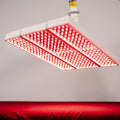
Red light therapy beds use specific wavelengths (630-660 nm red and 810-850 nm near-infrared) to support skin health, muscle recovery, and cellular rejuvenation. In a home wellness sanctuary, a red light therapy bed adds a non-invasive, time-efficient treatment option. Sessions are short, often 10-20 minutes, and the equipment fits in a dedicated recovery room. It complements sauna and cold plunge routines for holistic health.
What are the 7 areas of wellness to consider when designing a space?
The seven areas of wellness typically include physical, emotional, intellectual, social, spiritual, environmental, and occupational well-being. When designing a home wellness sanctuary, address physical restoration with equipment like saunas or cold plunges, emotional calm through sensory design, and environmental health with air purification and natural light. This holistic approach ensures your space supports overall well-being, not just fitness.