Which Home Recovery Tools Are Worth It in 2026?
Last Updated: November 1, 2026
Quick Summary
The best home recovery tools in 2026 are massage chairs for daily muscle tension, cold plunge tubs for post-workout soreness, red light therapy devices for low-effort daily sessions, and infrared saunas for heat therapy. Start with the tool you will use most often, not the longest feature list.
- Massage chairs remove the effort barrier that causes most recovery routines to fail.
- Cold plunge is best framed as a soreness-management tool, not a repair accelerator.
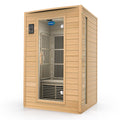
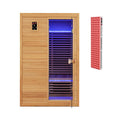
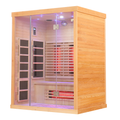
- The 2-Person Carbon Infrared Sauna runs on a 120V outlet and reaches 140°F in 10 to 15 minutes.
- Foam rolling 60 to 90 seconds per area addresses stiffness no machine can fix for you.
- Sleep, protein, and hydration do more for recovery than any device on this page.
Table of Contents
- What Home Recovery Tools Actually Do (and Don't Do)
- Quick Comparison: Recovery Tools by Cost and Use Case
- Massage Chairs and Handheld Massagers for Muscle Tension
- Cold Plunge Tub Recovery Benefits and What the Research Shows
- Benefits of Red Light Therapy at Home for Soreness and Skin
- Saunas, Stretching, and the Tools That Round Out a Recovery Routine
- Safety, Realistic Expectations, and When to See a Doctor
- Build Your Home Recovery Space with Cedar Forge Wellness
- Frequently Asked Questions
What Home Recovery Tools Actually Do (and Don't Do)
Home recovery tools are devices and systems used at home to support muscle recovery, circulation, mobility, and relaxation after training or long days. They help you feel better and move more freely. They do not diagnose or treat injuries.
That distinction matters more than any product spec. Buyers sometimes expect a massage chair to fix an old knee injury or a cold plunge to erase chronic pain. Neither is realistic. What these tools do well is make recovery a daily habit instead of an occasional appointment.
Below, we break down the best home recovery tools in 2026 by cost, use case, and what each one delivers. The two questions that matter most are whether you will use it consistently and whether it fits your body, your space, and your budget over the long term.
Quick Comparison: Recovery Tools by Cost and Use Case
Use this table to match a tool to your goal before reading further.
| Tool | Price | Best For | Commitment |
|---|---|---|---|
| AetherRelax Quantum Massage Chair | $7,499 | Full-body muscle tension, daily use | Floor space, no install |
| LuminaNova Halo-X Massage Chair | $8,299 | Deep-tissue relief, targeted zones | Floor space, no install |
| The Flow Cold Plunge Tub | $8,336 | Cold immersion, post-workout recovery | Outdoor space, chiller setup |
| RevX Acrylic X Tub Cold Plunge | $7,500 | Full-shoulder submersion | Outdoor space, chiller setup |
| EnergyLounger Red Light Blanket | $6,500 | Portable light therapy, travel | None |
| General Pain Relief Kit | $2,040 | Targeted joint and muscle relief | None |
| 2-Person Infrared Sauna | $3,295 | Heat therapy, relaxation | Standard outlet, no wiring |
| The Panorama Panel | $4,800 | Versatile full-body light therapy | Floor space, stand |
| The Max Panel | $5,800 | Whole-body light therapy | Floor space |
A practical note on sequencing: start with the tool you will use most often, not the one with the longest feature list. For most people, that is a massage chair or a light therapy device, because both work while you sit still.
Massage Chairs and Handheld Massagers for Muscle Tension
A massage chair delivers consistent, hands-free deep-tissue massage for muscle knots, stiffness, and tension. Handheld massagers offer targeted relief in a smaller footprint and lower cost.
The honest trade-off: chairs cost more and take up floor space, but they remove the effort barrier that kills most recovery routines. Handheld units are portable and cheap, yet they demand that you actively use them, which many buyers stop doing within weeks.
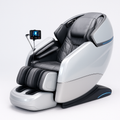
The AetherRelax Quantum Massage Chair uses AI body scanning to detect pressure points, offers 18 massage modes, and includes zero-gravity recline with infrared heat zones. The LuminaNova Halo-X adds an SL-Track 4D roller system, 36 airbags, and dual-zone heat for buyers who want deeper, more precise work on the shoulders, calves, and feet.

Best for: daily tension relief and buyers who want a routine with minimal setup.
How to Choose a Massage Chair for Recovery
Choosing a massage chair for recovery comes down to four checks: body fit, roller type, heat zones, and service support.
- Body fit: Confirm the chair's height and weight range covers you. The LuminaNova supports users up to 200 cm and 150 kg.
- Roller system: 4D SL-Track rollers follow the spine's curve; 2D rollers are simpler and less precise.
- Heat: Infrared heat in the lumbar and calf zones makes deep work more comfortable.
- Service: In-home technician support matters. The AetherRelax lists a 5-year limited warranty on parts and electronics, and the LuminaNova lists a 5-year limited warranty on the frame and 3 years on parts and electronics.
Cold Plunge Tub Recovery Benefits and What the Research Shows
Cold immersion is often used for post-workout soreness and a mental reset. It is not a cure for injury, and the evidence on performance gains is mixed.
What the evidence actually supports
It helps to separate three claims that get bundled together in marketing:
A practical home protocol
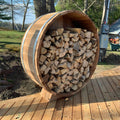
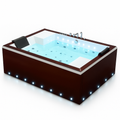
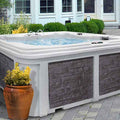
The Flow Cold Plunge Tub pairs a stainless steel interior with a Canadian cedar exterior and a concealed chiller compartment, so hoses stay out of sight. The RevX Acrylic X Tub is over 34 inches tall, allowing above-the-shoulder submersion, and its LUX chiller adjusts from 34°F to 104°F.

Safety and contraindications
Cold immersion is not for everyone. Check with a physician before starting if you have a heart condition, circulation problems, uncontrolled blood pressure, are pregnant, or take medications that affect temperature regulation. Never plunge alone when new, keep sessions short, and get out immediately if you feel numbness, dizziness, or disorientation. Cold shock, the gasp reflex on entry, is the most common home hazard; enter slowly and keep your breathing controlled.
Maintenance that decides whether you keep using it
Plan for filtration, water chemistry, and a monthly deep clean. A tub that stays clean and at temperature is a habit; a tub that requires an hour of setup each time becomes a closet item. Budget for filter replacements and, if you go chilled, the electricity to hold temperature year-round.
Benefits of Red Light Therapy at Home for Soreness and Skin
Red light therapy at home uses red and near-infrared wavelengths to support circulation, muscle recovery, and skin appearance. Devices range from targeted pads to full-body panels and blankets.
If you want a deeper look at the evidence, read whether red light therapy is scientifically proven.
Three formats cover most needs:
- Targeted pads: The General Pain Relief Kit uses LED light therapy pads that can be placed on targeted areas of the body.
- Portable blankets: The EnergyLounger Blanket combines 660 nm red and 850 nm near-infrared light with five intensity levels and a 10 to 90 minute timer, plus a travel case.
- Full-body panels: The Panorama Panel offers adjustable positioning with red, near-infrared, and blue light. The Max Panel stands over six feet tall for whole-body coverage.
Best for: buyers who want a passive, low-effort daily ritual.
Saunas, Stretching, and the Tools That Round Out a Recovery Routine
Heat therapy, stretching, and compression fill the gaps that chairs and plunges leave. A sauna session promotes relaxation and circulation, while stretching and foam rolling maintain range of motion and flexibility. This is the section most roundups treat as an afterthought, but for most households, these low-cost tools are what make recovery stick.
Infrared sauna: what to expect
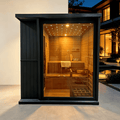
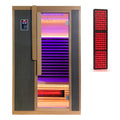
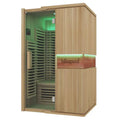
The 2-Person Carbon Infrared Sauna runs on a 120V outlet, uses six carbon heating panels, and is designed for couples with limited space. It takes 10 to 15 minutes to reach its internal temperature of 140°F.
The low-tech tools that do the most work per dollar
Many buyers skip this tier, and it is a mistake. A foam roller, a stretching strap, and ten minutes of mobility work cost little and address stiffness that no machine can fix for you. Concrete picks worth owning:
- Foam roller (medium density): for quads, IT band, and upper back; 60 to 90 seconds per area, not minutes of grinding.
- Stretching strap: for hamstring and calf work you cannot reach comfortably on your own.
- Compression boots: for circulation after long training blocks or travel; 20 to 30 minutes at low-to-moderate pressure is the common home setting.
- Massage ball or peanut: for glutes and feet that rollers miss.
None of these replace the basics, sleep, protein, and hydration do more for recovery than any device on this page.
How to sequence tools across a week
A workable weekly sequence for most people:
- Massage chair or handheld massager for tension on training days
- Cold plunge within a few hours of hard sessions
- Sauna on rest days for relaxation and circulation
- Red light sessions in the evening, three to five times weekly
- Stretching and foam rolling daily, even briefly
Matching tools to your training level
- Beginner or returning after a break: foam roller, stretching strap, and a handheld massager. Add heat before you add cold.
- Regular trainee: add compression boots and a red light device; cold plunge becomes worthwhile once sessions are hard enough to produce real soreness.
- High-volume athlete: a massage chair or full-body panel earns its space because it removes the effort barrier, but only if you actually use it daily.
Safety, Realistic Expectations, and When to See a Doctor
Recovery tools are wellness equipment, not medical treatment. Check with a physician before using them if you have a medical condition or are pregnant.
Build Your Home Recovery Space with Cedar Forge Wellness
Start with one tool tied to your biggest recovery gap, then expand as the habit sticks. That is the approach we recommend to every buyer, and it is the difference between a sanctuary and an expensive closet.
If you want a full plan, our guide on how to build a home wellness sanctuary walks through layout, power, and sequencing step by step. Our cold plunge tubs and massage chairs are in stock, and you can follow along for new arrivals on Instagram, Facebook, and Google.
Frequently Asked Questions
What are the most effective home recovery tools for muscle soreness?
The tools with the most consistent reported results are massage chairs and handheld massagers for muscle tension, cold plunge tubs for post-workout soreness, and red light therapy for targeted joint comfort. A massage chair like the AetherRelax Quantum offers AI body scanning and heat, while a cold plunge is used after training. Most people get the best results by combining two or three tools rather than buying one expensive device and expecting it to do everything.
Is red light therapy effective for post-workout recovery?
The General Pain Relief Kit uses red and near-infrared LED light. Look for stated wavelengths around 660 nm and 850 nm and a warranty before buying.
Are massage chairs worth the investment for recovery?
Models like the LuminaNova Halo-X include 4D SL-Track rollers, dual-zone heat, and 36 airbags for full-body compression.
How often should you use recovery tools for best results?
Stop any tool that causes sharp pain and consult a doctor for persistent issues.
Your recovery routine should not depend on appointment slots or a drive across town. Cedar Forge Wellness builds spa-grade equipment for the home, including cedar cold plunge tubs, massage chairs with AI body scanning and zero-gravity recline, full-body red light therapy, and infrared saunas that run on a standard outlet. Explore the collection and turn one corner of your home into the recovery space you will actually use.